
How Acupuncture Can Support Holiday Stress Relief
The holiday season can be full of meaningful traditions and time with loved ones, but it can also place extra demands on everyday life. Shopping, gatherings, financial concerns, and a crowded schedule may all compete for attention. With shorter fall and winter days, it can be easy to feel as though there is very little time left to rest.
When tension starts to accumulate, it is important to make space for approaches that support both physical comfort and emotional well-being. Acupuncture is one option that has gained attention for its possible role in stress management. Research suggests it may influence parts of the body involved in the stress response, including nervous system activity, heart rate, blood pressure, and mood-related chemicals.
Research on acupuncture continues to evolve, but current findings offer helpful context for people considering acupuncture during an especially demanding time of year.
How Acupuncture May Influence the Stress Response
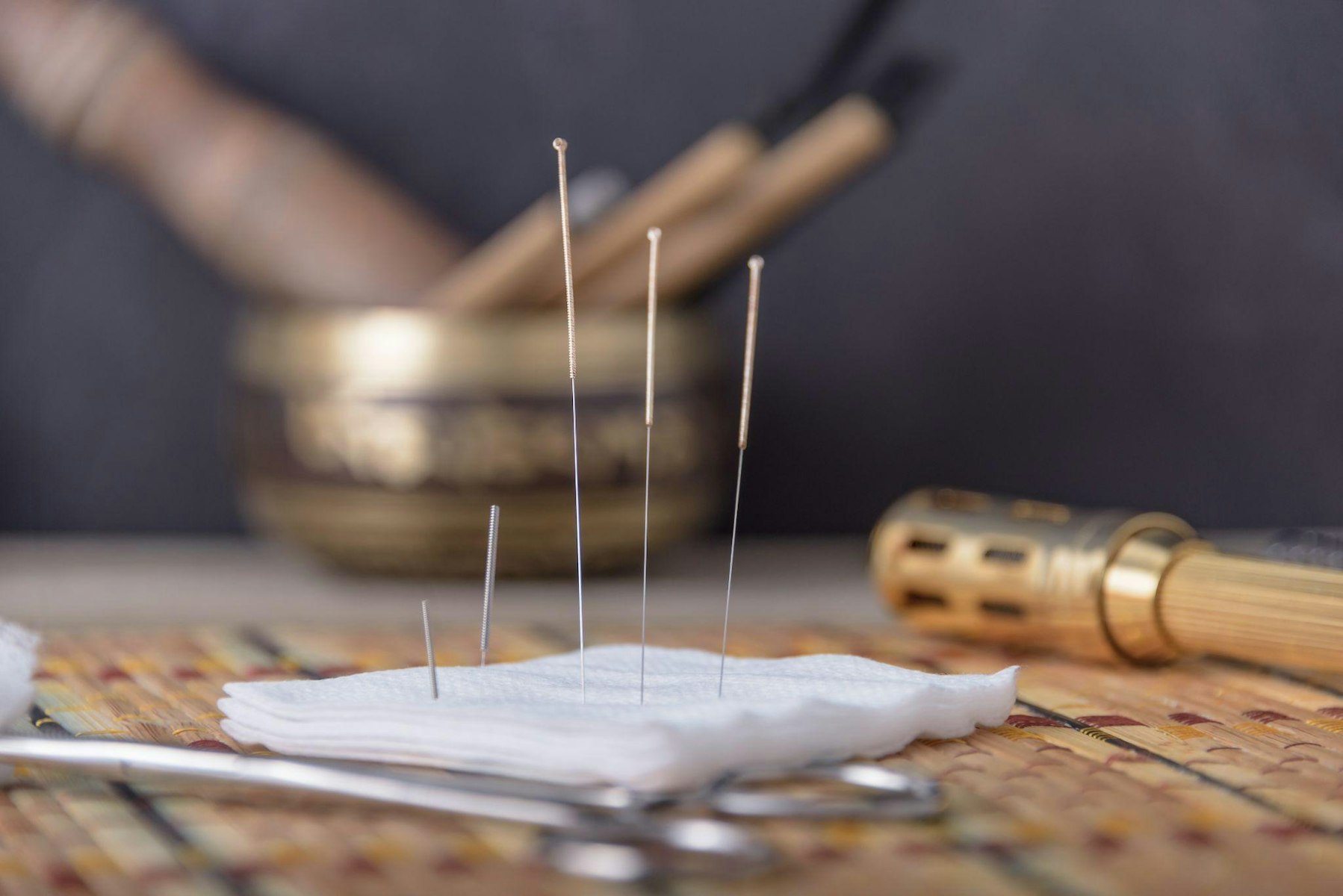
Acupuncture involves the placement of fine, sterile needles at specific points on the body. In Chinese medicine, these points are located along pathways known as meridians. A treatment can be personalized, with point selection based on a patient’s stress level, physical symptoms, and overall wellness goals.
One reason acupuncture may be helpful for stress relief is its potential effect on the body’s natural chemical responses. Treatment may encourage the release of endorphins, which are chemicals associated with pain relief and a greater sense of ease. Acupuncture may also influence serotonin, a chemical that plays a role in mood regulation.
Cortisol is another area researchers have examined. Often called the body’s main stress hormone, cortisol may rise when stress becomes ongoing. Some studies have linked acupuncture with lower cortisol levels, although results have not been consistent across every study.
Acupuncture may also support activity in the parasympathetic nervous system. This system is associated with rest, digestion, and recovery. Encouraging that response may help the body shift away from the heightened fight-or-flight state that can accompany persistent stress.
Studies Have Measured Physical Changes After Acupuncture
Research on acupuncture and stress does not rely only on how relaxed someone reports feeling after treatment. Some studies have also measured physical changes that may provide additional information about the body’s response during periods of mental stress.
A 2024 pilot randomized controlled trial looked at university students experiencing mental stress. Participants received either acupuncture or sham acupuncture while researchers tracked several measurements related to autonomic nervous system activity.
Students who received real acupuncture had statistically significant reductions in both blood pressure and heart rate. These measures can reflect changes in nervous system activity and may indicate a calmer physiological response.
The researchers also evaluated cortisol through saliva samples. Cortisol declined slightly in both groups, but the difference between the groups was not statistically significant. Findings such as these show why continued research matters, since not every stress-related marker responds in the same way in every study.
What Research Says About Acupuncture and Anxiety
Stress is not the only concern explored in acupuncture research. Researchers have also studied whether acupuncture may help with symptoms associated with generalized anxiety disorder.
A 2025 systematic review and meta-analysis reviewed 41 randomized controlled trials involving a total of 3,209 participants. The researchers found that acupuncture was associated with a statistically significant reduction in generalized anxiety disorder symptoms.
The review included situations where acupuncture was used independently and where it was used alongside standard medication. The combined approach showed a larger effect in the reviewed studies.
These results are encouraging, while also reinforcing the need for more standardized, high-quality research. The evidence surrounding acupuncture continues to grow and supports considering it as a low-risk addition to other stress-management strategies.
What to Expect During an Acupuncture Appointment for Stress
Trying acupuncture for the first time often feels more comfortable when you understand what an appointment may involve. At South Valley Acupuncture in South Jordan, Utah, I begin by discussing your health history, lifestyle, current stressors, and the symptoms that are affecting you most.
That conversation helps me create an individualized treatment approach. Fine needles are placed at selected acupuncture points based on your needs. For stress support, treatment may include points on the ear, the Shen Men point often associated with calm and emotional balance, or points along the stomach meridian when digestive discomfort is part of the picture.
An acupuncture session commonly lasts about 45 minutes to one hour. Many patients describe feeling calmer during or after treatment, sometimes with a light, settled, or soothing sensation.
Emotional responses can happen, too. During periods of substantial stress, some people may become emotional or cry during treatment as physical tension begins to release. This can be part of a deeply relaxing experience.
Why Consistent Care Can Be Helpful During the Holidays
Fall and winter can bring predictable stressors. Calendars fill quickly, holiday spending may create financial pressure, family situations can feel complicated, and fewer daylight hours may make the season feel even more demanding.
Because many of these pressures can be anticipated, the beginning of the season can be a useful time to think ahead about stress support. If you have been curious about working with a Utah acupuncturist, starting before the busiest weeks arrive may feel more manageable than waiting until stress becomes overwhelming.
Patients who have had acupuncture before may also choose to return to a more regular routine. Weekly visits can offer steady support through a busy period, while more frequent sessions may be considered when stress feels particularly intense.
As an insurance-accepting acupuncturist, I also help patients explore a personalized care rhythm that fits their needs. South Valley Acupuncture is built around approachable, individualized care, whether stress is accompanied by headaches, neck pain, back pain, digestive concerns, or a general sense of tension.
Create a Broader Holiday Wellness Routine
Acupuncture can be a valuable part of a larger approach to holiday wellness, rather than the only source of support. Small daily and weekly practices can complement treatment and create more opportunities to slow down.
A few quiet minutes of mindful, deep breathing can offer a reset in the middle of a full day. Regular movement can provide another consistent wellness habit, even if it is simply a short walk.
It can also be helpful to protect intentional downtime. Reading, enjoying a warm cup of tea, or briefly stepping away from obligations can create small but meaningful moments of recovery when the rest of the schedule feels full.
Together, these practices can help establish a steadier rhythm during a season when responsibilities and expectations may quickly build.
Make Time for Stress Support This Holiday Season
Acupuncture offers a drug-free option for people who would like additional support as part of their holiday wellness routine. If you have existing medical conditions or take medication, speak with your healthcare provider about how acupuncture may fit into your overall care plan.
If stress is already beginning to build, you do not have to wait until your schedule feels unmanageable to make time for yourself. Whether you are new to acupuncture or are ready to return for care, South Valley Acupuncture can help you explore a treatment schedule that supports your needs throughout the season.